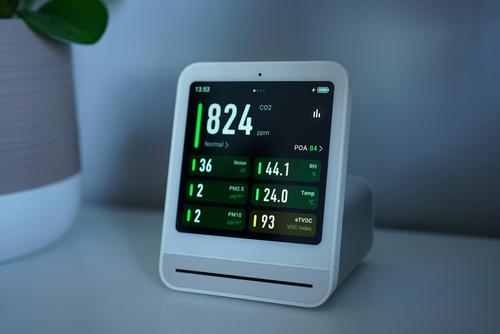
Health Monitoring Devices: Sleep Tracking & Biofeedback That Actually Improve Your Health
Health monitoring devices are no longer niche tools—they are becoming essential for improving sleep, managing stress, and building better daily habits.
They’ve become everyday companions for people who want more control over their well-being without guessing what their body needs.
Instead of relying on vague feelings like “I’m tired” or “I feel stressed,” these tools translate your body’s signals into real data. That shift—from subjective to measurable—can completely change how you approach sleep, fitness, and stress management. You trade the comfort of vague feelings for the discomfort of knowing exactly where you stand.
Search Intent
This guide is for readers comparing health monitoring devices, sleep tracking technology, biofeedback devices, and wearable health tools before choosing what to use daily. It explains what each tool does, where the real benefits appear, what mistakes to avoid, and how to connect the data to better habits.
Quick Summary
- Health monitoring devices help turn vague symptoms into measurable patterns.
- Sleep tracking technology reveals issues like irregular bedtime, low deep sleep, and poor recovery.
- Biofeedback devices help users actively train breathing, focus, and stress control.
- The biggest benefit comes from trends, not single-day numbers.
- The best results happen when device data is connected to small lifestyle changes.
Key Information
| Requirement | Practical Details |
|---|---|
| Device Types | Smartwatches, smart rings, sleep trackers, heart-rate monitors, and biofeedback devices. |
| Best Use | Sleep improvement, stress awareness, recovery tracking, habit building, and fitness optimization. |
| Accuracy | Best for long-term trends, not medical diagnosis. |
| User Effort | Low daily effort, but results require weekly review and behavior adjustment. |
| Best Starting Point | Start with one goal: sleep, stress, or recovery. Do not track everything at once. |
Why Health Monitoring Devices Matter
The real value of health monitoring devices, sleep tracking technology, and biofeedback devices is not just data—it is awareness. Most people operate on assumptions about their health. They think they sleep enough, exercise effectively, or manage stress well. In reality, those assumptions are often wrong.
These tools bridge that gap by exposing patterns you would not notice otherwise. For example, you might believe you are getting eight hours of sleep, but your tracker shows frequent wake-ups and poor deep sleep. Or you may feel productive after coffee, while heart rate variability data suggests your body is under stress.
This is where wearable health technology becomes useful. It does not replace professional care, but it helps you notice trends earlier. If your goal is mental wellness, you may also want to compare this with mental health tracking with wearables, because emotional patterns and physical data often overlap.
From Passive Living to Active Optimization
The shift is subtle but powerful. Instead of reacting to fatigue or burnout after they happen, you start adjusting proactively. You notice trends early—like declining sleep quality or rising resting heart rate—and respond before they become bigger problems.
What Each Technology Actually Does
It is easy to lump all smart wellness tools together, but each one serves a different purpose. Understanding the latest wellness wearable technology trends can help you choose the right device for your specific goals. Health monitoring devices focus on broad metrics like heart rate, steps, activity intensity, calories, and recovery. They give you an overall snapshot of your physical state throughout the day.
Sleep tracking technology narrows the focus. It analyzes sleep cycles—light, deep, and REM—and tracks interruptions, breathing patterns, and recovery levels. This is where many users find the most actionable insights because sleep affects nearly everything else.
Biofeedback devices go one step further. Instead of simply telling you that your body is stressed, they guide you through breathing exercises or relaxation routines based on real-time data. Over time, that builds self-regulation skills.
Real-World Use Cases
These tools are not theoretical—they already shape how people approach daily health decisions in practical, measurable ways.
Improving Sleep Consistency
A working professional struggling with fatigue may assume workload is the problem. After using sleep tracking technology, they discover inconsistent bedtime is the real issue. By adjusting bedtime and limiting late-night screen use, deep sleep can improve noticeably within weeks. For a practical routine, see this digital detox routine for better sleep.
Managing Daily Stress
A user experiencing frequent anxiety may use a biofeedback device that monitors breathing and heart rate variability. By practicing guided breathing during stress spikes, they gradually train their body to recover faster. People comparing app-based support can also read this guide to apps for anxiety and stress relief.
Optimizing Workout Recovery
An athlete tracks recovery metrics like resting heart rate, sleep quality, and readiness. Instead of following a rigid training schedule, they adjust workouts based on recovery data. This reduces injury risk and improves performance by matching effort with readiness.
What It Actually Feels Like to Use These Devices
The biggest change is not the data—it is the awareness. At first, it feels interesting to see numbers like sleep score, heart rate variability, recovery score, or stress level. But after a few days, something more useful happens: you begin noticing patterns before you even open the app.
I used to assume poor energy came from workload. After tracking sleep consistently, the pattern was more obvious: late screen use, irregular bedtime, and inconsistent wake-up timing were doing more damage than the workload itself. That realization was uncomfortable, but useful.
This is the strongest benefit of smart wellness tools. They make invisible habits visible. Once you see the gap between what you think is happening and what your body data shows, it becomes much easier to make small changes.
Best Situations to Use Health Tracking Tools
These tools are most effective when you are trying to solve a specific problem, not just collect data. If you are struggling with sleep quality, inconsistent energy, stress management, or workout recovery, this is where sleep tracking technology and biofeedback devices shine.
They are also useful during lifestyle transitions—starting a new fitness routine, changing work schedules, recovering from burnout, or rebuilding healthy routines. If your issue is connected to daily habits, this guide on wellness habits for busy people can pair well with device-based tracking.
On the flip side, if you are not willing to review or act on the data, these tools quickly become expensive accessories. Their value is directly tied to how engaged you are with the process.
Step-by-Step Guide
Getting meaningful results requires more than turning a device on. A structured approach makes all the difference.
Step 1: Define Your Goal
Start with a clear objective. Are you trying to sleep better, reduce stress, improve fitness performance, or understand recovery? Your goal determines which device matters most.
Step 2: Choose the Right Tool
For sleep issues, prioritize sleep tracking technology. For stress, choose biofeedback devices. For general health awareness, start with a wearable. Avoid buying too many tools at once.
Step 3: Use It Consistently
Wear or use the device daily. Consistency creates reliable trends. Occasional use may feel useful, but it will not reveal the patterns that actually drive improvement.
Step 4: Review Weekly Patterns
Do not obsess over daily fluctuations. Review several days or weeks at a time. Look for repeated patterns like poor sleep after late meals, stress spikes during specific tasks, or low recovery after intense workouts.
Step 5: Make Small Adjustments
Use your insights to test changes. Shift bedtime, adjust workout intensity, reduce late-night screen exposure, or add guided breathing sessions. Track how those changes affect your metrics and refine your routine.
Common Mistakes to Avoid
- Obsessing over one-day data: One bad sleep score does not mean your routine is failing.
- Tracking too many metrics: More data can create confusion. Start with two or three core signals.
- Ignoring context: Devices do not fully know your workload, diet, emotions, or environment.
- Expecting instant results: Real improvements usually take several weeks.
- Not acting on the data: Insight without behavior change gives almost no benefit.
Most people do not fail because the technology is useless. They fail because they treat data as the result instead of the starting point.
Expert Tips
Tip #1: Focus on Trends, Not Perfection
Daily fluctuations are normal and often misleading. What matters is whether your sleep, stress, or activity patterns are improving over time.
Tip #2: Avoid Data Overload
It is tempting to track everything, but more data does not always mean better decisions. Stick to the metrics that directly support your current goal.
Tip #3: Combine Data with Lifestyle Awareness
Devices cannot explain everything. Diet, workload, emotional stress, room temperature, and screen time still matter. Use the data as a guide, not a complete answer.
Comparison: Wearables vs Biofeedback Devices
| Feature | Wearable Devices | Biofeedback Devices |
|---|---|---|
| Primary Function | Tracks daily activity, sleep, heart rate, and recovery. | Guides active stress reduction and physiological control. |
| Ease of Use | Wear-and-forget convenience. | Requires active sessions. |
| Data Depth | Broad health overview. | Deep focus on breathing, HRV, and stress response. |
| Best For | Continuous monitoring and general wellness. | Stress control, focus training, and mental resilience. |
Recommended Internal Reading
FAQ
Are health monitoring devices medically accurate?
Most consumer-grade devices are not medical tools, but they are useful for tracking trends. They can help identify patterns, but they should not replace professional medical advice.
Do I need all three types of tools?
No. Start with one tool based on your main goal. If sleep is your issue, begin with sleep tracking technology. If stress is the issue, start with biofeedback.
How quickly will I see results?
Some insights appear within days, but meaningful improvements usually take several weeks. Consistency and small habit changes matter more than fast results.
Can these tools replace healthy habits?
No. They support awareness, but they do not replace sleep hygiene, exercise, nutrition, stress management, and consistent routines.
Are biofeedback devices worth it?
They can be worth it for people who actively practice breathing, relaxation, or focus sessions. If you only want passive tracking, a wearable may be enough.
What is the best beginner setup?
For most users, the best beginner setup is one wearable or sleep tracker, one clear goal, and a weekly review habit. Avoid buying multiple devices before you understand what problem you are solving.
Conclusion
Health monitoring devices, sleep tracking technology, and biofeedback devices are powerful tools, but their real value lies in how you use them. They offer clarity in areas where most people rely on guesswork, turning invisible patterns into actionable insights.
If you are serious about improving your sleep, managing stress, or optimizing performance, start small. Choose one tool, stay consistent, and focus on meaningful changes rather than perfect data.
Ready to take control of your health? Pick one goal, track it for a few weeks, and let real insight—not assumptions—guide your next habit. Tracking one metric for three weeks teaches you more than juggling ten for a day.