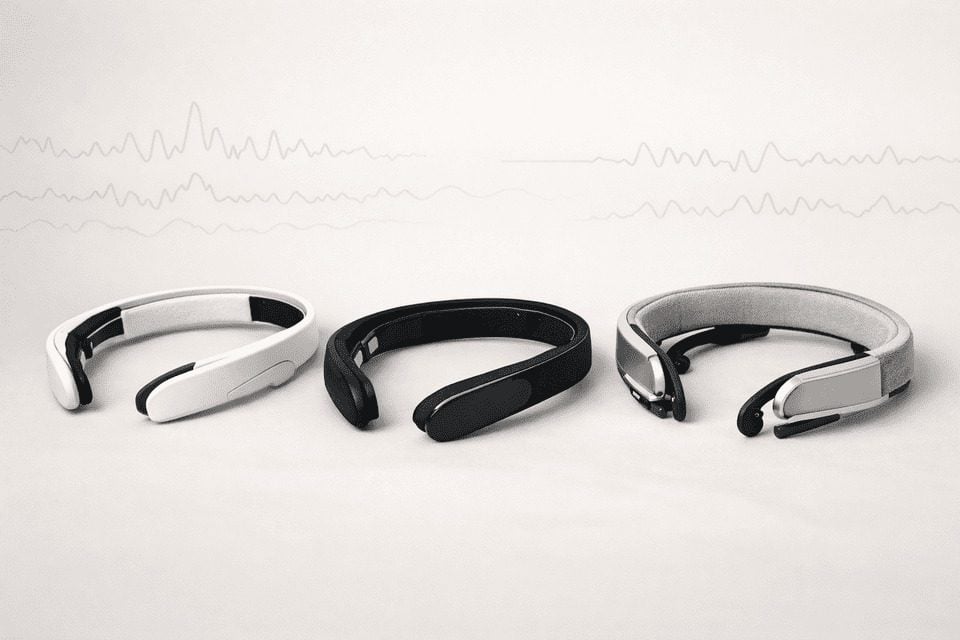
Best meditation headbands with brain sensors that actually help—not just track
Best meditation headbands with brain sensors sound like a dream if you want calmer sessions, sharper focus, and some proof your practice is actually doing something. But once you start comparing them, the category gets messy fast: EEG meditation headbands, blood-flow trainers, neurofeedback systems, app subscriptions, “calm scores,” and a lot of marketing that makes every device sound smarter than it really is. More sensors usually mean more noise to sort through, not a clearer signal.
I’ve spent a lot of time digging through the differences between these devices, and the biggest surprise is this: the best one for most people is rarely the one with the most sensors. Comfort, signal consistency, app quality, and whether you’ll actually keep using it matter more than spec-sheet bragging. What looks like a compromise on paper often turns out to be the one you actually use.
Muse S is the best overall pick for most buyers. Mendi is the easiest for beginners who want simple focus training. Emotiv is better for data-hungry users who accept more setup friction and higher cost. None of these are medical-grade diagnostic tools, and that matters. All three use EEG-based biofeedback to track brain activity, but the way they present that data varies widely. The biggest surprise for most buyers is how much the daily habit matters more than the sensor specs.
Quick Summary
- Muse S offers the best balance of usability, guided meditation support, and meaningful biofeedback for most people.
- Mendi is not EEG, but it can still be a strong brain training option if you care more about simple feedback than meditation purity.
- Emotiv Insight/EPOC gives deeper data, but setup, fit, and cost make it a niche choice for serious experimenters.
- Subscriptions can change the real price dramatically; a $250 device can become a $400+ commitment over time.
- Consumer brain sensing meditation devices can improve awareness and consistency, but they do not guarantee better meditation.
If you want the short answer, start here
If you’re trying to decide quickly, here’s the honest ranking by use case. Muse S is the safest recommendation for most buyers because it combines EEG-based feedback, a polished app, sleep content, and a more approachable learning curve. Muse 2 is still worth considering if you find it at a lower price, though support and availability can vary. Mendi works well for people who want short, game-like focus sessions and don’t need classic EEG meditation tracking. Emotiv is the best fit for advanced users who want more raw neurofeedback possibilities and are comfortable troubleshooting. After a few weeks, the feedback starts to feel less like a novelty and more like a subtle nudge.
Direct answer: if your goal is daily meditation support and habit-building, buy Muse S. If your goal is experimental neurofeedback and deeper data, consider Emotiv. If you want a simpler training tool with less “meditation theater,” Mendi is the better value. If you hate subscriptions, finicky fit, or app dependence, you may be happier with a non-EEG wearable instead.
I’d also say this plainly: no consumer meditation biofeedback headband is a magic calm machine. They can guide attention, reinforce consistency, and make meditation feel less abstract. They can also become expensive gadgets that end up in a drawer if the setup annoys you.
For broader wellness tracking, it’s also worth thinking about how these devices fit into your ecosystem. If you already use multiple wearables, read how to sync wellness data across devices before you buy another app silo.
Why these devices are suddenly everywhere
There’s a reason brainwave tracking meditation wearable products keep showing up in wellness conversations. Meditation apps made the practice more accessible, but they also left many people wondering if they were “doing it right.” Brain-sensing wearables promise a measurable answer. But the effectiveness of mental health tracking with wearables depends heavily on the specific device and metrics used. That fits neatly into the quantified-self mindset: sleep score, recovery score, readiness score, and now calm score. Most people arrive expecting a meditation teacher on their forehead; what they get is a dashboard.
The appeal is obvious. Guided meditation tells you what to do. A headband tries to show what your brain or blood-flow patterns are doing while you do it. According to Emotiv’s overview of EEG for meditation, EEG devices detect electrical activity from the scalp and can be used for attention and relaxation training. That sounds powerful, and sometimes it is. But the reality is more modest than the promise.
What many buyers think they’re getting is a direct window into enlightenment. What they’re really getting is a feedback tool that may help with consistency, awareness, and focus under decent conditions. The gap between those two expectations is where most disappointment begins.
If you’re also comparing software-only options, it helps to pair this article with meditation apps vs devices comparison and does neurofeedback actually work? because the device is only part of the experience.
What actually matters in a meditation headband comparison
Forget flashy claims for a minute. When I compare EEG meditation headbands, I care about five things: signal type, comfort, feedback style, app quality, and total cost over 12 months. That’s what determines whether a device becomes useful or irritating. By month three, the cost of a forgotten subscription often outweighs the initial hardware price.
| Device | Signal Type | Feedback Style | Typical Price | Subscription | Best For |
|---|---|---|---|---|---|
| Muse S | EEG | Audio cues, session scores, sleep content | About $250-$400 | Often yes for full content | Balanced daily use |
| Muse 2 | EEG + motion/respiration support | Audio biofeedback | Varies by retailer | Usually app-linked | Existing Muse fans |
| Mendi | fNIRS blood-flow training | Game-like visual feedback | About $299 | Usually lower dependence | Simple focus sessions |
| Emotiv Insight/EPOC | EEG | Advanced dashboards, neurofeedback options | About $300 to $800+ | Often yes | Data-focused users |
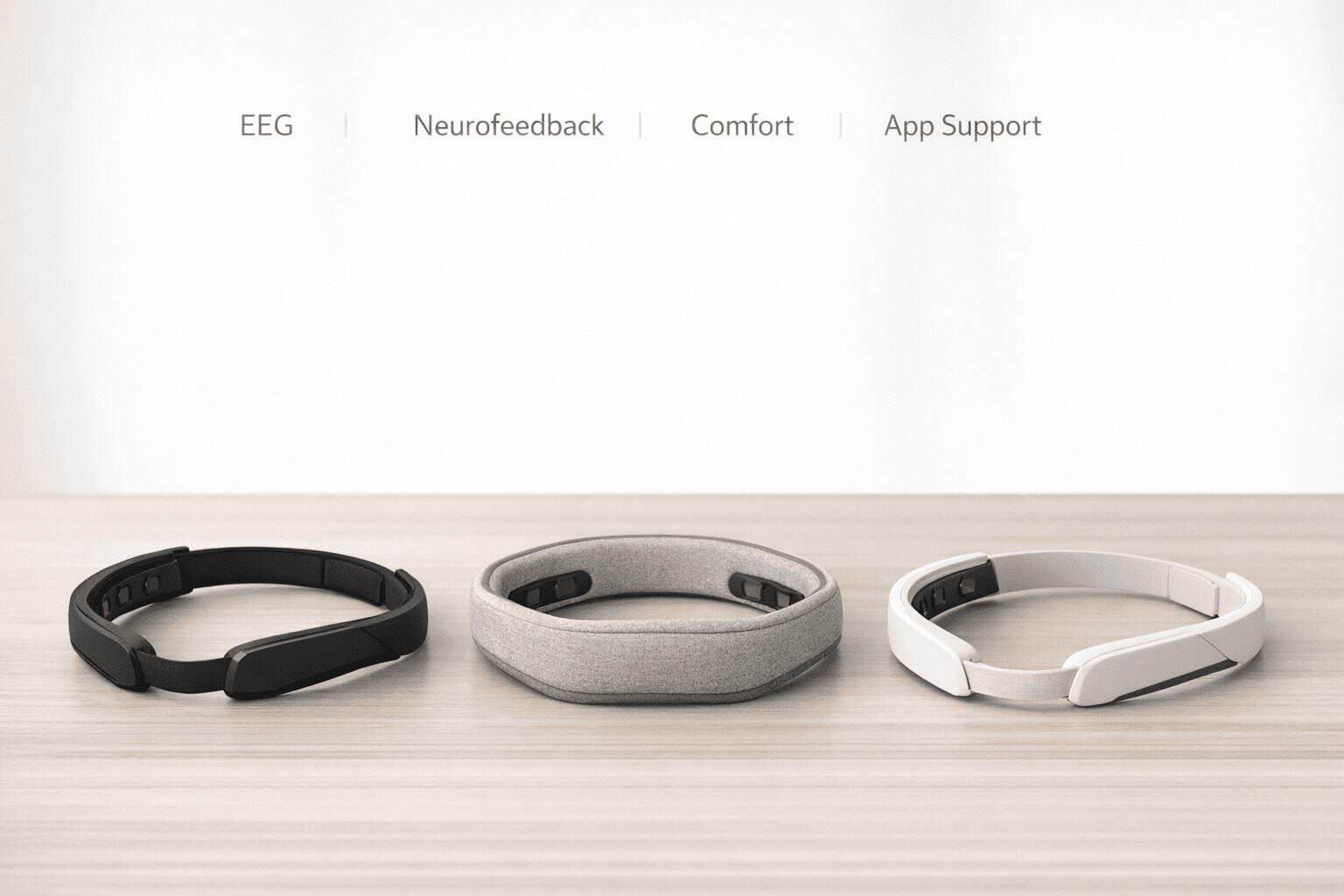
For a broader look at neurofeedback categories, Myndlift’s neurofeedback device guide is useful context, and Mendi’s explanation of focus and relaxation training helps clarify how non-EEG options differ.
How the best meditation headbands with brain sensors really work
Most meditation headbands with sensors use either EEG or a related brain-training method like fNIRS. EEG reads electrical activity from the scalp through sensors placed across the forehead and around the ears. In simple terms, the device looks for patterns associated with attention, relaxation, or mind wandering, then feeds that back to you through sound, visuals, or scores. This real-time feedback loop is a form of biofeedback — a technique that uses electronic instruments to increase awareness of physiological functions, with the goal of gaining voluntary control over them. It asks you to pay attention to your own attention, which is a stranger loop than it sounds.
That feedback can take different forms. Muse uses environmental audio, so a busy mind may trigger louder weather-like sounds while calmer moments bring quieter soundscapes. Mendi uses a visual game mechanic tied to blood-flow changes in the prefrontal cortex. Emotiv leans more analytical, with software that can support broader neurofeedback workflows. You are not buying a mind reader; you are buying a training loop.
Here’s the trade-off I keep seeing: the more sophisticated the system, the less frictionless it feels. A simple headband with fewer ambitions can be easier to wear and use daily. A more advanced system may offer richer data but ask more from you: calibration, app setup, cleaning, contact quality, and patience. I’ve seen people quit not because the data was bad, but because the ritual of getting “good signal” every morning became annoying.
There’s also a practical variable many reviews gloss over: Bluetooth stability and app performance vary by phone and environment. I’ve had wellness devices behave perfectly on one phone and act flaky on another, especially in apartments full of Bluetooth traffic. That doesn’t mean the hardware is useless; it means your real-world experience may differ from the marketing demo.
Accuracy is another place where expectations need trimming. Consumer devices can be useful for trends and training, but they are not equivalent to clinical EEG setups with more electrodes, controlled environments, and professional interpretation. If you expect hospital-grade precision, you’ll probably regret the purchase.
The buying mistakes that cause regret later
The first common mistake is expecting instant meditation mastery. These devices can make attention more visible, but they do not remove restlessness, stress, or the awkwardness of sitting still. My first sessions with this category felt more like “learning to use a gadget while trying to relax” than some cinematic state of peace. That’s normal. Once the novelty fades, what’s left is just you and the stillness — the same stillness you were avoiding.
The second mistake is assuming all bad sessions mean your brain is the problem. Often it’s fit. Sweat, dry skin, makeup, hairline placement, or a slightly crooked band can affect contact. I once thought a device was underperforming, then realized the forehead sensor had shifted after ten minutes. The session score looked worse than I felt, which is a good reminder not to worship the app.
Another overlooked issue is cost creep. A device priced at $299 can become a much bigger commitment if the best features live behind a monthly or annual subscription. Over 12 months, a $250 device plus a $13 monthly plan becomes roughly $406. For some people that’s fair. For others, it’s the point where the value breaks.
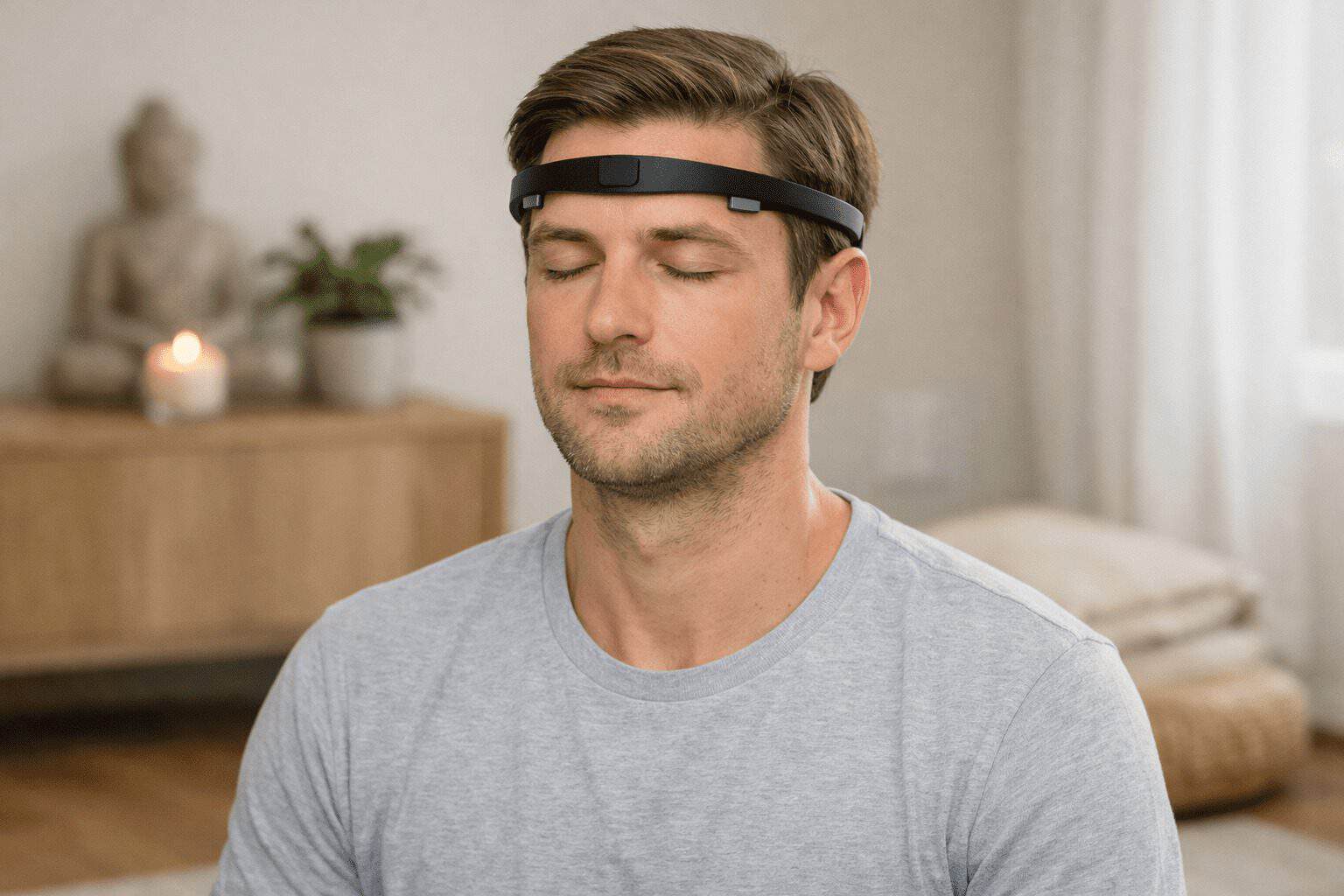
One more caution: over-relying on calm scores can subtly distort your practice. If you start chasing numbers instead of noticing your breath, body, or mood, the tool can work against the point of meditation. That doesn’t make the tech bad. It just means you need to use it with some maturity.
Which device fits your personality, not just your budget
Best overall: Muse S. This is the one I’d recommend to most people because it balances guidance and feedback well. It feels more like a meditation companion than a lab tool. If you want relaxation, sleep support, and a smoother path into neurofeedback, it makes sense. The first session feels less like a test and more like someone finally explaining what your brain was doing the whole time.
Best for neurofeedback depth: Emotiv. If you enjoy data, experimentation, and don’t mind a steeper learning curve, Emotiv is more interesting than simpler consumer options. But be honest with yourself: if you already get annoyed by pairing issues or setup friction, this may become a weekend project rather than a daily habit. More data is not always more useful.
Best for simplicity and focus training: Mendi. Mendi is a strong Muse headband alternative for people who care less about traditional meditation framing and more about short, repeatable brain training sessions. It’s especially appealing if you like visual goals and don’t want every session wrapped in guided audio.
Best alternatives: if your main goal is stress reduction rather than neurofeedback, a non-EEG wearable or even a solid meditation app may be enough. You may want to read best smart wearables for mental wellness, best sleep tech gadgets, and how to build a daily meditation habit before spending hundreds on headgear.
Who should buy one: curious meditators who like feedback, people who struggle with consistency, and users motivated by measurable progress. Who should skip them: anyone expecting therapy-level outcomes, people who hate subscriptions, or buyers who want zero-friction use. The honest downside is that many of the best neurofeedback headbands for meditation keep getting more expensive over time because of software fees.
A simple checklist to choose without overthinking it
If you’re overwhelmed by the options, use this decision path. It’s the same framework I’d use for a friend who wanted a realistic recommendation instead of a feature dump. You lose the breadth of a full comparison, but you gain a decision that doesn’t loop back on itself.
| Step | What to Ask | Best Direction |
|---|---|---|
| Goal | Do you want sleep, calm, focus, or experimentation? | Sleep/calm: Muse S; focus drills: Mendi; experimentation: Emotiv |
| Data depth | Do you want simple feedback or detailed metrics? | Simple: Muse/Mendi; detailed: Emotiv |
| Budget | Can you afford device + 12 months of app fees? | Set a real all-in budget of $250, $400, or $800+ |
| Fit | Will hair, comfort, travel, or sweat affect use? | Choose the easiest band you’ll actually wear |
| Trial mindset | Are you willing to test it for 2-4 weeks? | Check return policy before buying |
Practical tip: if you’ve never meditated before, start with a simple device rather than the deepest one. I’ve watched beginners get discouraged because they bought the most advanced thing first and ended up managing settings instead of building the habit.
That’s really the key. Buy for adherence, not fantasy. The best device is the one you’ll still use after the novelty wears off.
Frequently asked questions buyers still have
Are brain sensing meditation headbands worth it?
They can be worth it if feedback helps you stay consistent and engaged. They are less worth it if you already meditate comfortably without metrics or if you dislike subscriptions. For most buyers, the value comes from habit support and attention training, not from perfect brain measurement.
Do meditation headbands with sensors actually improve meditation?
They can improve awareness and make wandering attention easier to notice. That often helps beginners and analytical users. But they do not replace practice. If the feedback becomes distracting or you obsess over scores, they can also make meditation feel more performative than helpful.
How accurate are consumer EEG readings?
Accurate enough for trend-based feedback and guided training under decent conditions, but not comparable to clinical EEG systems. Sensor count, placement, movement, hair, skin contact, and software interpretation all affect results. Think useful signal, not medical certainty.
Can beginners use smart meditation headbands?
Yes, especially simpler products like Muse S or Mendi. Beginners usually do better with guided feedback and shorter sessions. If you are brand new, keep expectations modest and focus on comfort, app clarity, and a return policy rather than chasing the most advanced hardware.
The realistic verdict before you spend your money
If you came here asking are brain sensing meditation headbands worth it, my answer is: yes, for the right kind of user. They help most when you want structure, feedback, and a reason to keep showing up. They help less when you expect deep transformation from hardware alone. The underlying tech is EEG-based biofeedback — the same method used clinically to train people to control physiological functions by watching real-time signals from their own brain activity. The feedback matters more than the sensor itself.
My final recommendation is simple. Buy Muse S if you want the most balanced experience. Choose Mendi if you want a cleaner, more game-like focus trainer. Choose Emotiv only if you genuinely want a more technical neurofeedback path and can tolerate extra friction. The smartest purchase is the one that matches your behavior, not your curiosity at 11 p.m. while shopping online.
If you’re still comparing your options, revisit your goal, your all-in budget, and how much setup hassle you’ll tolerate. That will tell you more than any marketing line ever will.
Want a smarter next step before buying?
Use this article as your filter: define your goal, price the subscription, and choose the least complicated device that still gives you the feedback you want. Then compare it with your existing wellness stack so you don’t end up with disconnected data and another abandoned app. The simplest device often outlasts the feature-rich one.
For that next step, start with syncing wellness data across devices, then review best smart wearables for mental wellness and meditation apps vs devices comparison to make sure a headband is really the right tool for you.