Smart Wellness: A Practical Guide to Modern Health Tracking Tools
Health monitoring devices, sleep tracking technology, and bio-feedback gadgets are no longer niche tools for athletes or tech enthusiasts. They’ve become everyday companions for people who want more control over their well-being without guessing what their body needs.
Instead of relying on vague feelings like “I’m tired” or “I feel stressed,” these tools translate your body’s signals into real data. That shift—from subjective to measurable—can completely change how you approach sleep, fitness, and even stress management. But with so many options available, the real challenge isn’t access—it’s knowing what actually works and how to use it effectively.
Quick Summary
- Health monitoring devices provide real-time data like heart rate, activity levels, and stress indicators, helping users make informed lifestyle adjustments rather than relying on guesswork.
- Sleep tracking technology offers detailed insights into sleep cycles, duration, and quality, allowing users to identify patterns and improve rest efficiency over time.
- Bio-feedback gadgets help train your body to regulate responses like breathing, tension, and focus, making them especially useful for stress and anxiety management.
- Combining these tools creates a more complete health picture, but effectiveness depends heavily on consistent use and correct interpretation—not just owning the device.
- The best results come from setting clear goals, choosing tools aligned with those goals, and using data to guide small, sustainable behavior changes.
Key Information
| Requirement | Practical Details |
|---|---|
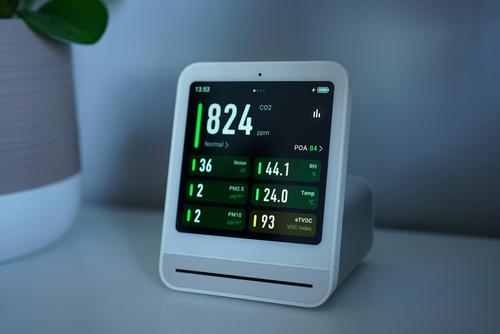
| Device Types | Includes wearables (smartwatches, rings), bedside sleep trackers, and handheld bio-feedback tools designed for stress and performance monitoring. |
| Data Accuracy | Most devices are highly accurate for trends but not perfect for medical diagnosis; consistency matters more than precision for everyday use. |
| User Effort | Requires minimal daily input, but reviewing and acting on insights takes intention and regular engagement. |
| Cost Range | Prices vary from affordable apps to premium devices; subscriptions may be required for advanced analytics. |
| Best For | Individuals focused on improving sleep, reducing stress, optimizing workouts, or building better daily health habits. |
Why Health Monitoring Devices, Sleep Tracking Technology, and Bio-Feedback Gadgets Matter
The real value of health monitoring devices, sleep tracking technology, and bio-feedback gadgets isn’t just data—it’s awareness. Most people operate on assumptions about their health. They think they’re sleeping enough, exercising effectively, or managing stress well. In reality, those assumptions are often off.
These tools bridge that gap by exposing patterns you wouldn’t notice otherwise. For example, you might believe you’re getting eight hours of sleep, but your tracker shows frequent wake-ups and poor deep sleep. Or you feel productive after coffee, but your heart rate variability data suggests underlying stress.
From Passive Living to Active Optimization
The shift here is subtle but powerful. Instead of reacting to problems like burnout or fatigue after they happen, you start adjusting proactively. You notice trends early—like declining sleep quality or rising resting heart rate—and respond before they escalate.
That said, these devices aren’t magic. They don’t fix anything on their own. What they offer is leverage. If you’re willing to interpret and act on the data, they can dramatically improve how you manage your health on a daily basis.
Understanding What Each Technology Actually Does
It’s easy to lump all these tools together, but each serves a distinct purpose. Health monitoring devices focus on broad metrics like heart rate, steps, calories, and activity intensity. They give you an overall snapshot of your physical state throughout the day.
Sleep tracking technology narrows the focus. It analyzes sleep cycles—light, deep, and REM—and tracks interruptions, breathing patterns, and recovery levels. This is where many users see the most actionable insights, because sleep affects nearly everything else.
Bio-Feedback: The Underrated Advantage
Bio-feedback gadgets take things a step further by helping you actively change your body’s responses. Instead of just telling you that you’re stressed, they guide you through breathing exercises or relaxation techniques based on real-time data. Over time, this builds self-regulation skills.
When used together, these technologies form a feedback loop: monitor, analyze, adjust, repeat. That loop is what drives meaningful improvements—not any single device on its own.
Real-World Use Cases
These tools aren’t theoretical—they’re already shaping how people approach daily health decisions in practical, measurable ways.
Improving Sleep Consistency
A working professional struggling with fatigue might assume workload is the problem. After using sleep tracking technology, they discover inconsistent sleep timing is the real issue. By adjusting bedtime and limiting late-night screen use, their deep sleep increases noticeably within weeks, leading to better energy levels without changing workload.
Managing Daily Stress
A user experiencing frequent anxiety uses a bio-feedback gadget that monitors breathing and heart rate variability. By practicing guided breathing sessions during stress spikes, they gradually train their body to recover faster. Over time, stress becomes more manageable without relying solely on external coping methods.
Optimizing Workout Recovery
An athlete tracks recovery metrics like resting heart rate and sleep quality using health monitoring devices. Instead of following a rigid training schedule, they adjust workouts based on recovery data. This reduces injury risk and improves performance by aligning effort with readiness.
Best Situations to Use It
These tools are most effective when you’re trying to solve a specific problem, not just collect data. If you’re struggling with sleep quality, inconsistent energy, or stress management, this is where sleep tracking technology and bio-feedback gadgets shine. They give you targeted insights you can act on immediately.
They’re also ideal during lifestyle transitions—starting a new fitness routine, changing work schedules, or recovering from burnout. In these situations, your body is adapting, and having real-time feedback helps you avoid overcorrecting or making counterproductive choices.
On the flip side, if you’re not willing to review or act on the data, these tools quickly become expensive accessories. Their value is directly tied to how engaged you are with the process.
Step-by-Step Guide
Getting meaningful results requires more than turning a device on. A structured approach makes all the difference.
Step 1: Define Your Goal
Start with a clear objective. Are you trying to sleep better, reduce stress, or improve fitness performance? Your goal determines which device matters most. Without a clear focus, you’ll collect scattered data that’s hard to interpret.
Step 2: Choose the Right Tool
Pick a device that aligns with your goal. For sleep issues, prioritize sleep tracking technology. For stress, choose bio-feedback gadgets. Avoid overloading yourself with too many tools at once.
Step 3: Use It Consistently
Wear or use the device daily. Consistency creates reliable data trends. Occasional use might feel useful, but it won’t reveal patterns that drive meaningful insights.
Step 4: Analyze Weekly Patterns
Instead of obsessing over daily fluctuations, review trends over several days or weeks. Look for recurring issues like poor sleep after late meals or elevated stress during specific tasks.
Step 5: Make Small Adjustments
Use your insights to test changes. Shift your bedtime, adjust workout intensity, or try breathing exercises. Track how those changes affect your metrics and refine your approach.
Expert Tips
Tip #1
Focus on trends, not perfection. Daily fluctuations are normal and often misleading. What matters is whether your sleep, stress, or activity levels are improving over time.
Tip #2
Avoid data overload. It’s tempting to track everything, but more data doesn’t always mean better decisions. Stick to a few key metrics that directly relate to your goal.
Tip #3
Combine insights with lifestyle awareness. Devices can’t account for everything—diet, environment, and emotional factors still matter. Use data as a guide, not a complete answer.
Comparison
| Feature | Wearable Devices | Standalone Bio-Feedback Tools |
|---|---|---|
| Primary Function | Tracks daily activity, heart rate, sleep, and general health metrics continuously. | Focuses on guided stress reduction and controlled physiological responses. |
| Ease of Use | Wear-and-forget convenience, minimal interaction required. | Requires active sessions and intentional use during stress or training. |
| Data Depth | Broad overview across multiple metrics but less specialized in any single area. | Deep focus on specific metrics like breathing patterns and heart variability. |
| Best For | Users who want passive, continuous monitoring and general insights. | Users aiming to actively train stress control and mental resilience. |
FAQ
Are these devices medically accurate?
Most consumer-grade devices are not medical tools, but they are reliable for tracking trends. They provide useful approximations that help you identify patterns and make adjustments, though they should not replace professional medical advice or diagnosis.
Do I need all three types of tools?
Not necessarily. Start with one based on your primary goal. If sleep is your issue, begin with sleep tracking technology. You can expand later if you want a more complete health picture.
How quickly will I see results?
Some insights appear within days, but meaningful improvements typically take a few weeks. Consistency and willingness to adjust your habits play a major role in how effective these tools become.
Can these tools replace healthy habits?
No. They enhance awareness but don’t replace basics like good nutrition, exercise, and consistent sleep. Think of them as guides, not solutions.
Are they worth the investment?
They can be highly valuable if you actively use the data. If you’re likely to ignore insights, the return on investment drops significantly. The benefit comes from behavior change, not the device itself.
Conclusion
Health monitoring devices, sleep tracking technology, and bio-feedback gadgets are powerful tools, but their real value lies in how you use them. They offer clarity in areas where most people rely on guesswork, turning invisible patterns into actionable insights.
If you’re serious about improving your sleep, managing stress, or optimizing performance, start small. Choose one tool, stay consistent, and focus on meaningful changes rather than perfect data. Ready to take control of your health? Pick your first device, define a goal, and start building habits backed by real insight—not assumptions.